
You are using an out of date browser. It may not display this or other websites correctly.
You should upgrade or use an alternative browser.
You should upgrade or use an alternative browser.
Ξεχωρίζοντας ένα οργανωμένο χειρουργείο μεταμόσχευσης
- Έναρξη μίζας CVIAL
- Ημερομηνία έναρξης

Τροφή προς συζήτηση. Θα ακολουθήσουν και άλλα.
http://www.ncbi.nlm.nih.gov/pmc/articles/PMC4212293/
Απόσπασμα από το ανωτέρω άθρο:
"Infections of the scalp are very rare because it is well vascularized. Serious infections occur in less than 1% of cases and are, usually, associated with poor hygiene, excessive crust formation, or preexisting medical risk factors.[6] Folliculitis was observed in the majority of patients in a study conducted by Sandro et al.[7] and Unger[8] reported a folliculitis rate of 20% of his study group. In our study bacterial folliculitis in the donor, area was found in 10.96% patients which occurred even up to 8 months after surgery. There are several measures to be followed for prevention and infection control: Clean and decontaminated operating room; use of sterilized material; donor area asepsis, use of disposable instruments, and antibiotic prophylaxis.[2] Sterile folliculitis in the recipient area is a frequent complication seen weeks or months after transplantation. In our study, it was found in 23.29% of patients. The causes are not clear. Theories include “ingrown” hair, foreign body reactions, epithelium logged into slit sites during recipient site creation, piggybacked grafts and the “idiopathic” intrinsic properties of the host scalp.[9] In the majority of cases, the pathogen cannot be cultured from the lesions, and hence the name sterile folliculitis. They are, usually, managed by oral antibiotics, warm compresses and unroofing the cysts."
φιλε @CVIAL μου ανοιγεις την ορεξη κυριως για το θεμα χρησης αντιβιοτικής αγωγής μετά τη μ/μ. Κάποιοι ιατροί τη συστήνουν άλλοι όχι. Εγω προσωπικα στη δικη μου μεταμοσχευση, παρά το ότι μου λεχθηκε οτι δεν χρειαζεται, πηρα ευρεου φασματος αντιβιωση (ερυθρομυκινη) για 10 μερες & τις πρωτες 3 μερες πηρα και αντιμυκητιασικη προφυλαξη (sporanox). Ο λογος ? Καθαρα για να κλεισω την οποιαδηποτε πιθανοτητα να εχω καποια επιπλοκη.

Παιδιά μην τρελαθούμε κιόλας. Δεν ξέρω τι λέει ο Βεκρής, πάντως νομίζω ότι δεν χρειάζεται να είσαι γιατρός για να γνωρίζεις ότι όπου κάτι ματώνει, υπάρχει κίνδυνος μόλυνσης και φλεγμονής (η μόλυνση δε, αφορά και τον ίδιο τον γιατρό αν ο ασθενής είναι ήδη μολυσμένος από κάτι το οποίο μεταδίδεται με το αίμα που μπορεί κάλλιστα να μεταφερθεί στο στόμα, αν δεν φοράς μάσκα, ή από τα μάτια, αν δεν φοράς προστατευτικά γυαλιά, μεγεθυντικά ή μη). Και για όσους έχουν κάνει μμ (ασχέτως FUE ή FUT) ξέρουν ότι η διαδικασία ενέχει αίμα. Και πως του ήρθε να πει ότι στην FUE δεν κόβεται δέρμα!!!! και βέβαια κόβεται (δέρμα και όχι μόνο επιδερμίδα) και μάλιστα, όπως μου είχε πει ο Αναστασάκης σε επίσκεψη που είχα κάνει στο ιατρείο του, αν αθροίσει κάποιος τις τομές (κοπή δέρματος) της FUE και τις συγκρίνει με αυτές του στριπ θα δει ότι το εμβαδόν της τομής (αθροιστικά) είναι μεγαλύτερο στην FUE από ότι στην στριπ. Το καλό με την FUE είναι ότι οι τομές είναι διεσπαρμένες και άρα δεν αφήνουν ορατό σημάδι και επειδή επίσης είναι μικρές δεν πειράζουν τα νεύρα της περιοχής του κεφαλιού.
Γι' αυτό ξαναλέω ότι αυτά περί μη κοπής δέρματος (που έγραψα στο προηγούμενο) και μη ανάγκη λήψης προ, κατά τη διάρκεια και μετά επεμβατικών μέτρων είναι το λιγότερο επικίνδυνα.

danceworld_2001
Well-Known Member
Διαβάζω βιαστικά τα γραφόμενα λόγω εργασιακής πίεσης. Το μόνο που θα πω ειναι πως τα πρωτόκολλα πρέπει να τηρούνται αυστηρότατα και ας μας πουν και υστερικούς. Για μένα η Ελλάδα αποκλείεται σαν επιλογή οχι γιατι δεν τηρούν πρωτόκολλα κτλ, αλλά γιατι καμία Ελληνική κλινική δεν μπορεί να παίξει σε πυκνότητες κλινικών του εξωτερικου. Καμία όμως. Εγώ αδυνατών να πιστέψω πως πχ ο δημήτρης που έκανε στην βεκρή μπορεί αν έχει πυκνότητα ισάξια ή και μεγαλύτερη απο εμένα με 2300 μοσχεύματα ενώ εγώ έβαλα 3000 σε περιοχή μικρότερης αραίωσης απο τον ίδιο και εφόσον και οι δυο είχαμε κορυφαία φύτρωση. Σίγουρα παίζει ρόλο η ποιότητα της τρίχας, η αντίθεση χρωμάτων, μέγεθος κρανίου κτλ, όμως για μένα τα μαθηματικά δεν βγαίνουν. Θα χαιρόμουν να γνωρίσω τον Δημήτρη πχ απο κοντά, να βγούμε φωτογραφίες παρεα, φιλικά πάντα, και οχι για να διαγωνιστούμε ποιός έχει το καλύτερο αποτέλεσμα, αλλά για να δει όλο το φόρουμ την διαφορά πυκνότητας και ρεαλισμού ανάμεσα στις 2 αυτές περιπτώσεις.
Καλά, έβαλα ίσως ένα από τα πιό δόκιμα άρθρα για το θέμα της υγιεινής που συζητάμε και δεν σχολιάζει κάνεις?
Να αρχίσω εγώ. Που είσαι Stripar?
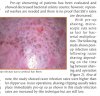
Να συνοψίσω: Τεχνητά νύχια επιβαρύνουν τις πιθανότητες μόλυνσεις όπως και το ξύρισμα. Προφανώς ξύρισμα και λούσιμο μετά με τεχνητά νύχια δεν ενδεικνυται. Το ενδεδειγμένο είναι μηχανή αμέσως πρίν την επέμβαση.
Να αρχίσω εγώ. Που είσαι Stripar?
Να συνοψίσω: Τεχνητά νύχια επιβαρύνουν τις πιθανότητες μόλυνσεις όπως και το ξύρισμα. Προφανώς ξύρισμα και λούσιμο μετά με τεχνητά νύχια δεν ενδεικνυται. Το ενδεδειγμένο είναι μηχανή αμέσως πρίν την επέμβαση.
Ισχυουν τα ιδια. Δεν εχω κατι να προσθεσω σε κατι πασιφανες ... @CVIAL ωραιο το αρθρο το εκανα save να το εχω!!2 πρωτοκολλα υπαρχουν (για σηπτικο και ασηπτο χειρουργειο).... οποιαδηποτε παρεκλιση θεωρειται εκπτωση επί της διαδικασιας.
Συνεχίζω με την άποψη του Lorenzo όπως μου ήρθε με email. Θα πρότεινα όπως και στην περίπτωση του Β. να σχολιάσουμε με επιχειρήματα ή αναφορές που ενισχύουν την θέση μας και όχι με γενικότητες "έτσι πιστεύω εγώ, έτσι μου φαίνεται" γιατί αλλιώς άκρη δεν θα βγει.



Stripar
Established Member
Καλά, έβαλα ίσως ένα από τα πιό δόκιμα άρθρα για το θέμα της υγιεινής που συζητάμε και δεν σχολιάζει κάνεις?
Να αρχίσω εγώ. Που είσαι Stripar?
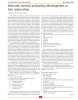
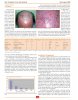
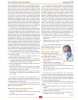
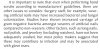
Προβολή συνημμένου 10358
Προβολή συνημμένου 10359
Να συνοψίσω: Τεχνητά νύχια επιβαρύνουν τις πιθανότητες μόλυνσεις όπως και το ξύρισμα. Προφανώς ξύρισμα και λούσιμο μετά με τεχνητά νύχια δεν ενδεικνυται. Το ενδεδειγμένο είναι μηχανή αμέσως πρίν την επέμβαση.
Τα ίδα φίλε...εν μέσω πλήν σαφώς τα έχω αναφέρει σε προηγούμενες σελίδες
Όπως και το οτι εντύπωση μου κάνει που πρέπει να υπέρ αναλύομε ή να κάνουμε-κάνεις attach papers για κάτι
που για πολλούς είναι Αυτονόητο!...
Απλά δέν σχολίασα τίποτα...για να μήν γυρίσουν κάποιοι να με πούν "γραφικό" ή "υπερβολικό"
Κάποιες φορές η σιωπή είναι χρυσός


kapa
Μέλος του προσωπικού
παραιτουμαι,με περασε στην στροφη επανωΚαλη αρχη!!! Καλα ξεπερασε τα like και τον kapa τον εφαγε λαχανο.
Kapa παραιτησου
